

 Spanish
Cuando revisas tu factura de electricidad, históricamente toda la atención se centra en tu consumo total de energía. Pero a partir del 1 de abril, hay otra pieza del rompecabezas que ahora tendrá un impacto en tu costo mensual: el Cargo por demanda.
En resumen, el cargo por demanda se basa en el la mayor cantidad de electricidad que consume su hogar en un momento dado, aunque ese pico solo dure unos minutos.
Dado que somos una cooperativa eléctrica sin ánimo de lucro, este cargo nos ayuda a cubrir el creciente coste de construcción y mantenimiento de la infraestructura (postes, cables, transformadores, subestaciones, etc.) que pueda satisfacer las necesidades máximas de todos, especialmente durante las horas punta.
¿La buena noticia? Con unos pocos cambios de hábitos pequeños y constantes, puedes mantener ese pico más bajo y ahorrar dinero. Aquí están cinco consejos fáciles y que requieren poco esfuerzo para ayudarte a hacer precisamente eso.
¿Quieres saber más sobre cómo funciona el cargo por demanda y por qué es importante?
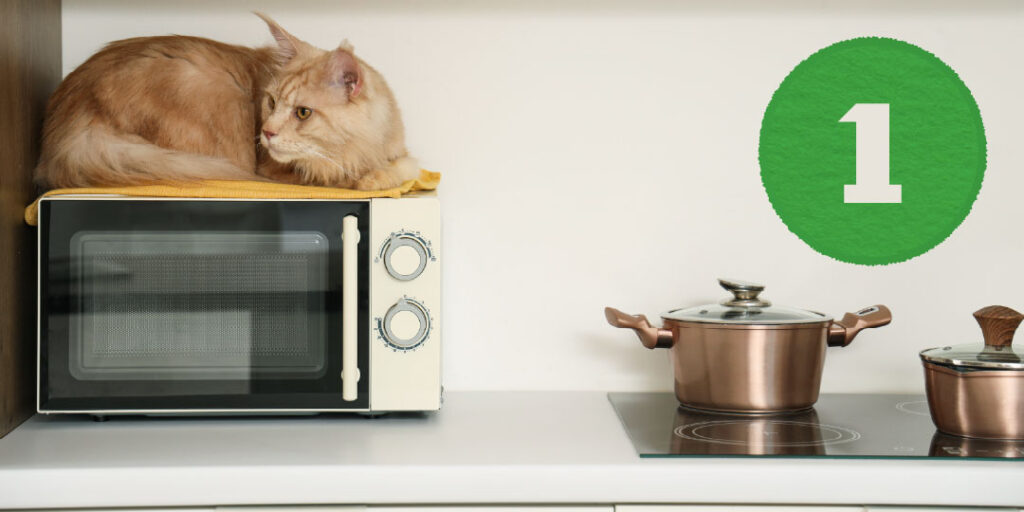
Traducción: No lo ejecutes todo a la vez.
Los electrodomésticos de alto consumo energético, como secadoras de ropa, hornos, cargadores de vehículos eléctricos y sistemas de calefacción, pueden consumir mucha electricidad. Cuando varios de ellos se encienden al mismo tiempo, la demanda aumenta considerablemente, y con ella, la factura de la luz.
En lugar de acumular el uso, prueba asombroso Usa la secadora después de cenar, no mientras cocinas. Carga tu vehículo eléctrico por la noche, no durante las horas de mayor actividad doméstica. Distribuir el consumo de energía a lo largo del tiempo reduce la demanda sin disminuir el consumo total de electricidad.

El agua caliente puede ser más engañosa de lo que crees, especialmente con los calentadores de agua eléctricos de resistencia.
Los calentadores de agua suelen encenderse después de un uso intensivo, como una ducha matutina o un ciclo de lavavajillas nocturno. Si esto ocurre mientras otros electrodomésticos de alto consumo están funcionando, el pico de demanda puede aumentar drásticamente.
Pensar en cuando se enciende el agua caliente y evite acumular otros usos pesados al mismo tiempo. Por ejemplo:
Un poco de concienciación puede marcar una gran diferencia.

Prepara tu hogar para el éxito antes de las horas de mayor uso.
Intenta precalentar tu casa en verano (o precalentarla en invierno) temprano por la mañana. De esa manera, durante la noche, cuando estés en casa cocinando, lavando la ropa o viendo la televisión, tu sistema no tendrá que trabajar tanto.
Al bajar la temperatura del termostato durante las horas punta, se puede reducir la demanda sin sacrificar la comodidad.
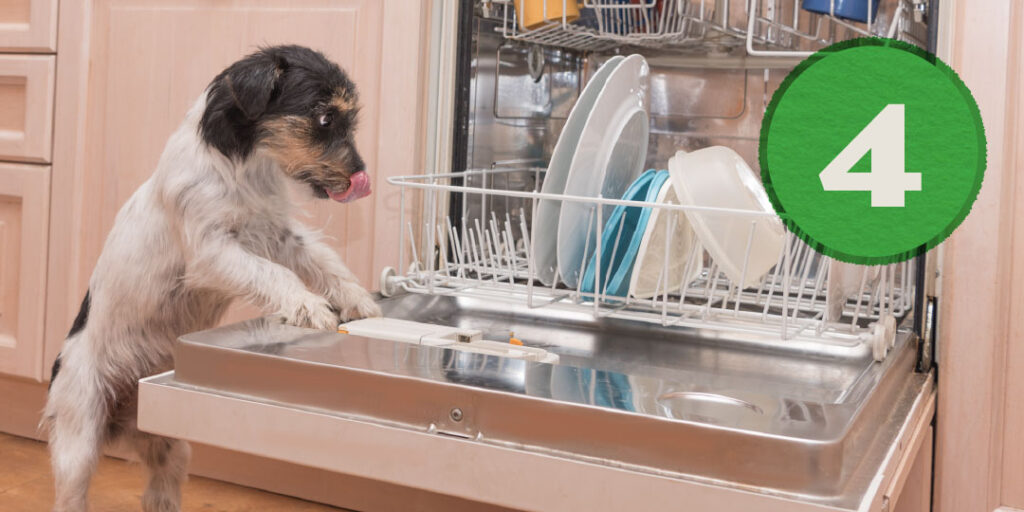
Posiblemente el consejo más fácil de todos.
La mayoría de los lavavajillas modernos tienen la función de inicio diferido, y es tu arma secreta para ahorrar en la factura de la luz. Carga el lavavajillas después de cenar, pulsa "Inicio diferido" y deja que funcione mientras duermes, cuando el resto de tu casa está en silencio.
Los mismos platos limpios. Menor superposición. Menor demanda.

Conductores de vehículos eléctricos, esto es para ustedes.
Los vehículos eléctricos son increíblemente eficientes, pero cargarlos puede generar un gran pico de demanda si coincide con todas tus demás actividades domésticas. La solución es sencilla: Utiliza tu aplicación de carga para programar la carga durante la noche..
Conéctalo al llegar a casa, prográmalo para que se encienda a última hora de la noche y despiértate con la batería completamente cargada, sin tener que añadir la necesidad de carga a las tareas de la cena, la colada y la ducha.
~~~
¡Consejo adicional para cargar vehículos eléctricos! Reducir el amperaje máximo en tu aplicación de carga (por ejemplo, de 40 A a ~25 A) disminuirá la velocidad de carga y, por lo tanto, reducirá el consumo de energía durante la misma. En la mayoría de los casos, un amperaje máximo de 25 A te permitirá cargar completamente tu dispositivo durante la noche.
Dado que el pico de consumo más alto de 15 minutos en cada ciclo de facturación determinará el cargo por demanda del mes, es importante recordar ser constante en la forma en que distribuye su consumo de electricidad.
Al hacerlo, De esta forma, no solo podrás reducir tu propia factura, sino que también ayudarás a disminuir la presión sobre el sistema eléctrico y a mantener bajos los costos para todos los miembros de la cooperativa.
Unos pequeños cambios hoy pueden marcar una diferencia notable en tu próxima factura, ¡y esa es una victoria que vale la pena aprovechar!
¡Consejo extra!
¡Los termostatos programables y los dispositivos inteligentes pueden ayudarte a ahorrar!
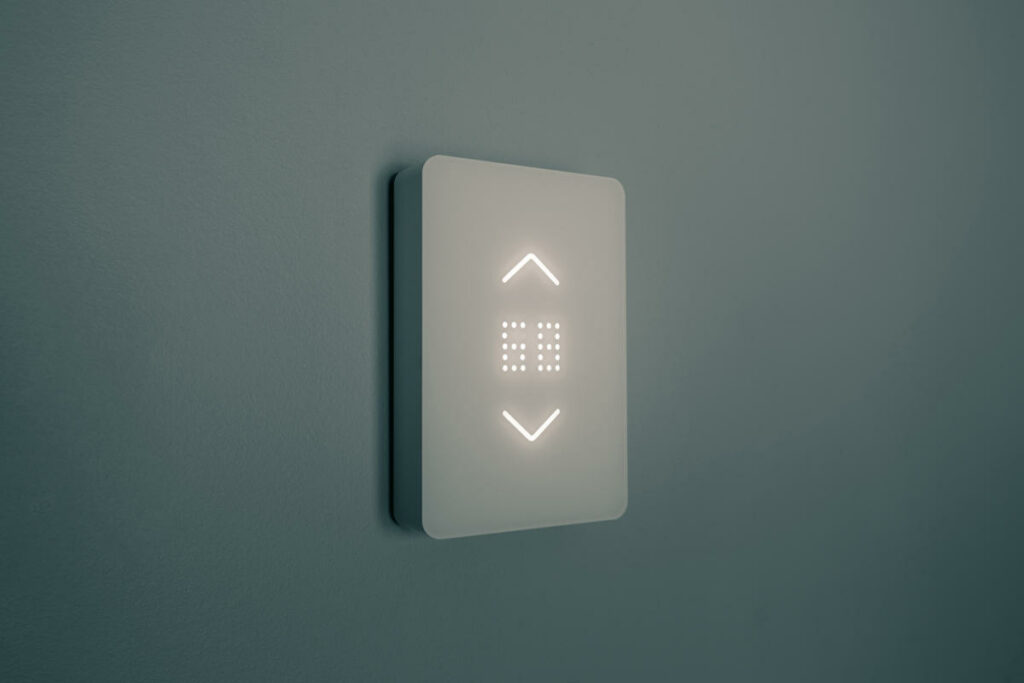
Establezca un horario para mantener sus electrodomésticos apagados durante los momentos del día en que utiliza más electricidad.
Nuestro equipo de Atención al Cliente está aquí para ayudarle a comprender su nueva factura. ¡Llámenos!