

 English
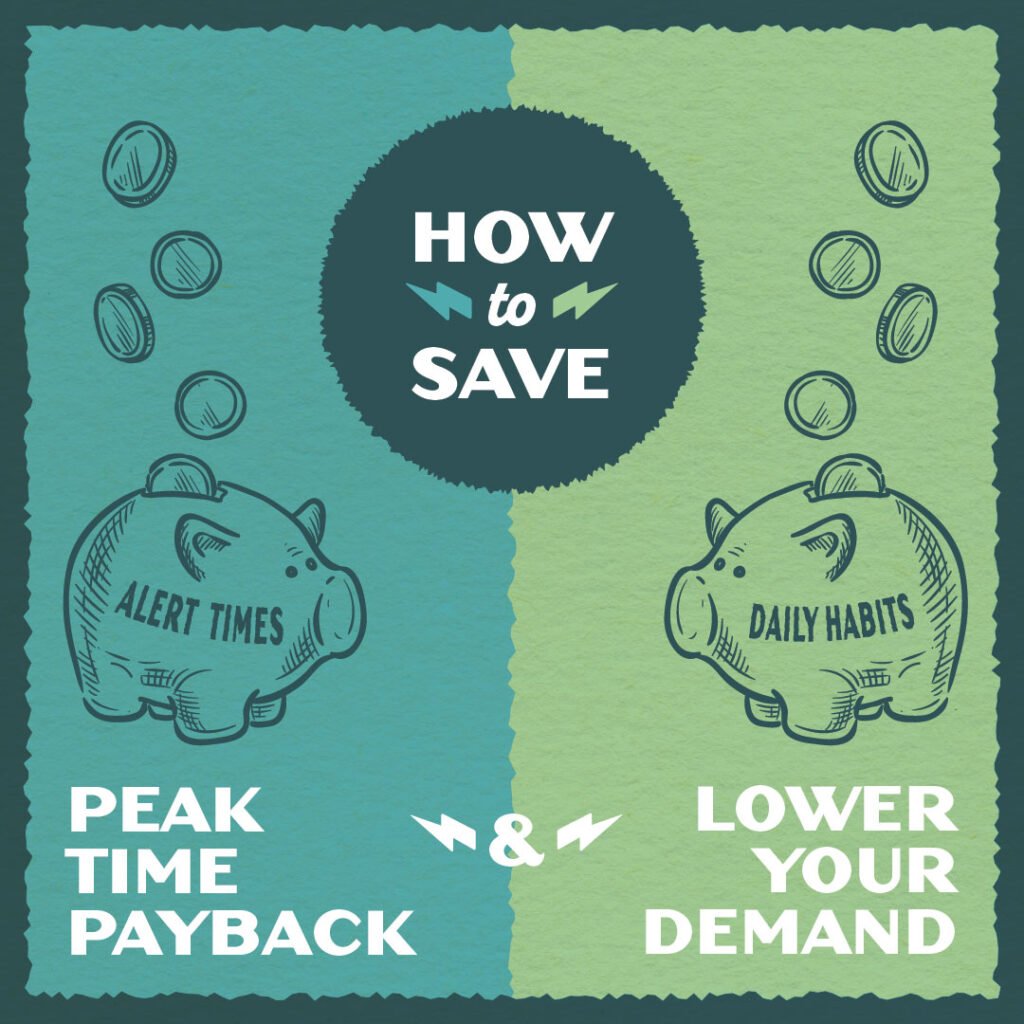
Holy Cross Energy members have two different levers to pull on their electric bill. One rewards you for stepping up during a handful of high-demand moments each year. The other rewards you for spreading out your everyday habits.
Here’s how to tell which one (or both!) fits your household.
Every bill has two components: energy (the total electricity you use over the month, like an odometer) and demand (the peak amount of power your home pulls at any single moment, like a speedometer).
Your Demand Charge is based on that peak moment, even if it only lasted a few minutes.
Because the poles, wires, and transformers serving your home have to be built to handle your highest simultaneous draw, not your average one. Running your oven, dryer, water heater, and EV charger all at once forces the system (and your bill) to plan for that spike.
Spreading big loads throughout the day — rather than running them all at once — lowers your peak demand without necessarily reducing how much total electricity you use.
Big loads often include electric furnaces/boilers, electric clothes dryers, electric water heaters, electric ovens/ranges, A/C units, heat pumps, and Level 2 EV chargers.
Your demand reading (in kW) and the exact date/time it occurred are printed on the back of your paper bill, and you can explore a full monthly or daily graph in SmartHub under Usage → Usage Explorer → “Demand (kW).”
There’s no enrollment, no alerts to watch for, and no cap on how often it applies; it’s baked into every single billing cycle.
Members who can build flexibility into their daily routine. Try always running the dishwasher after you’re fully done cooking, or charging your EV overnight instead of the moment you get home.
Because your Demand Charge is set the instant your usage peaks, even small day-to-day adjustments in when things run (not how much you use) add up to real savings, month after month.
Peak Time Payback (PTP) is an opt-in program that rewards you with bill credits for cutting your electricity use during specific windows of time when demand across the whole co-op is forecasted to be high (usually a two-to-three-hour block on a weekday afternoon or evening).
High Alert: $0.75 per kWh reduced
Critical Alert: $1.50 per kWh reduced
We expect no more than about 96 PTP hours in a given year, so it’s a targeted, occasional ask, not a daily lifestyle change.
Households who, most days, find themselves needing to run everything (dishwasher, dryer, oven, A/C, oven, etc.) during weekday evenings when they’re home.
With Peak Time Payback, you don’t need to change your daily routine. You just need to be willing to dial things back for a couple of hours during the handful of alerts each year.
Our Member Services team is here to help you understand your bill. Give us a ring!
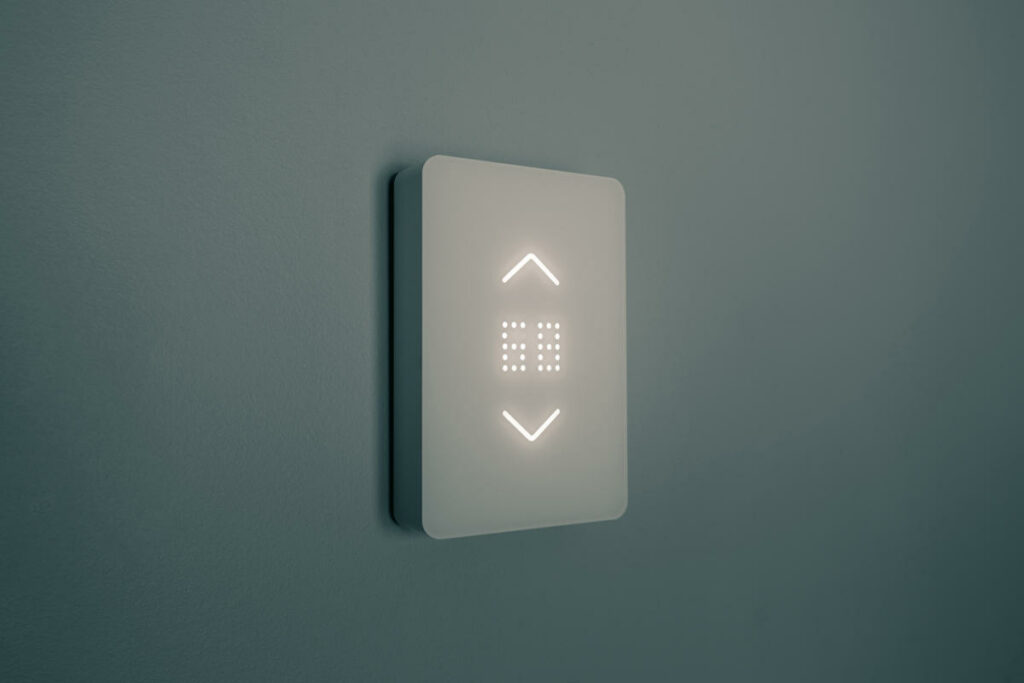
Programmable thermostats and smart devices can help you save! Set a schedule to keep your flexible appliances off during times of the day when you use more electricity.