

 English
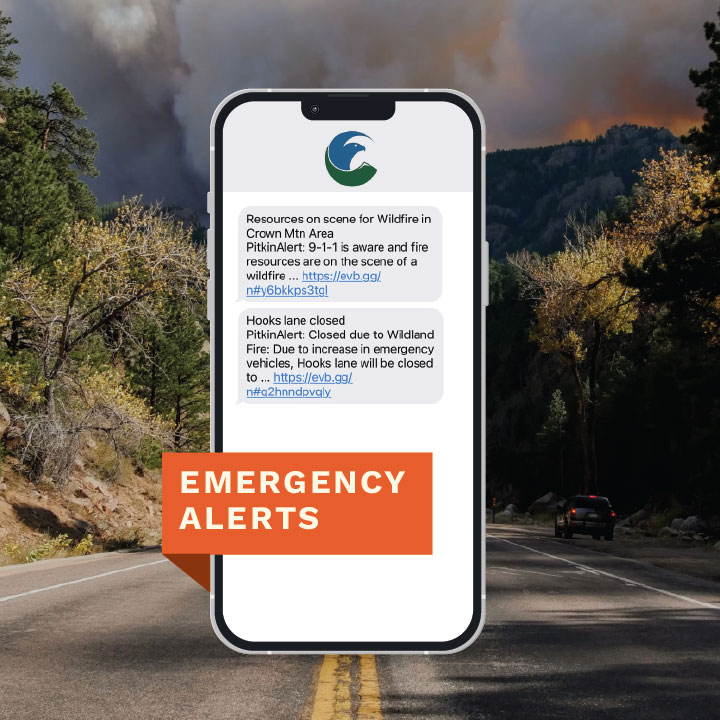
Our counties’ Public Safety agencies have all enabled text message emergency notification systems that provides essential information quickly in a variety of situations, such as fires, severe weather, floods, unexpected road closures, or evacuation of buildings or neighborhoods. This is one of the best and fastest ways to stay informed of potentially dangerous events in your area.
Tip – after signing up, you can go back into your account and edit your subscriptions based on alert type and area.
Translations into additional languages are available, too.
Make sure we have the right contact info for you, too. You can add and edit your contact information in SmartHub or give us a call at 970.945.5491 and we’ll happily update it for you.
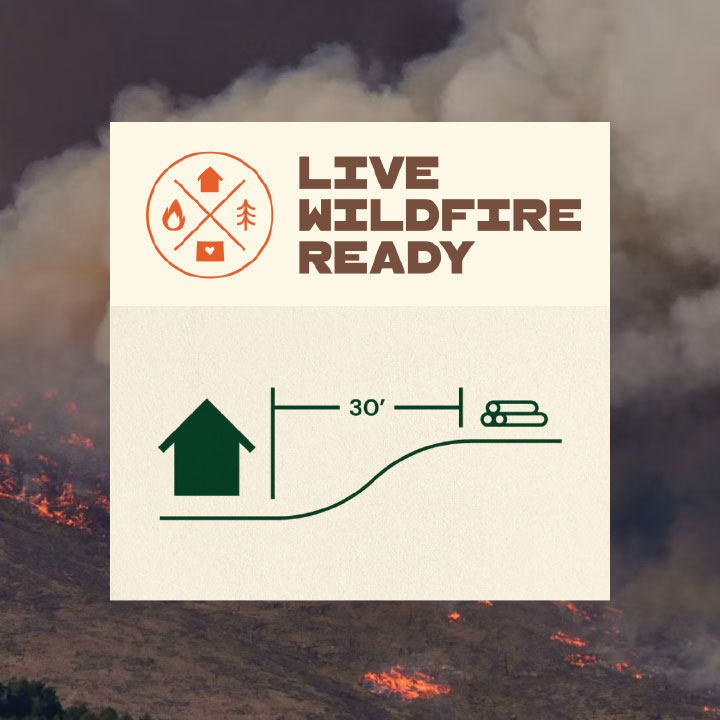
Live Wildfire Ready is a statewide collaborative effort that shares simple, practical, low-cost actions residents can take to prepare their homes and property for wildfire. In addition to preparing one’s home, living wildfire-ready means being ready to evacuate during a fire. Inside, you’ll find great info on how to:
Homeowners in the Eagle River and Roaring Fork Valleys can sign up for free wildfire risk assessments to help protect their properties.
These programs provide:
Sign up here:
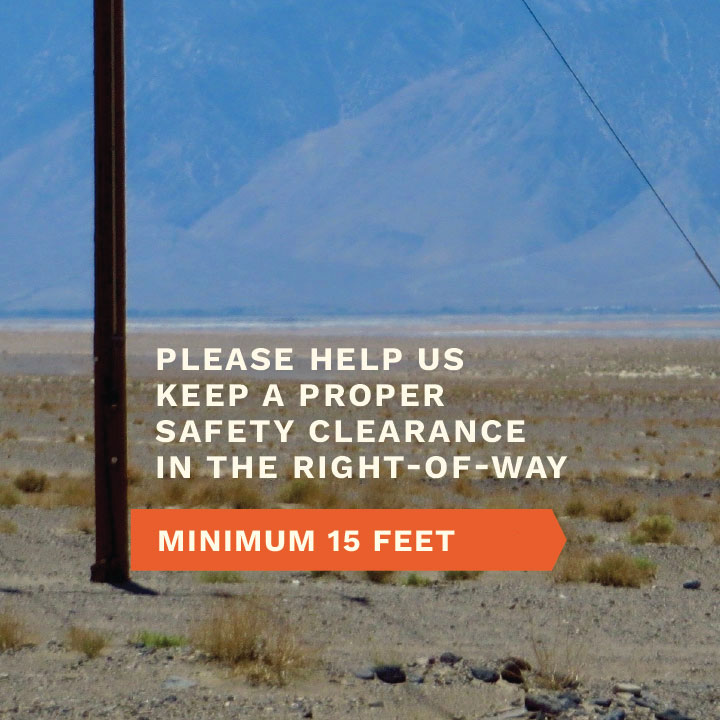
Fire in the path of a power line can keep entire communities without power for extended periods of time. We greatly appreciate our members’ help in keeping our right-of-ways clear of all vegetation and flammable debris (including stacks of firewood).
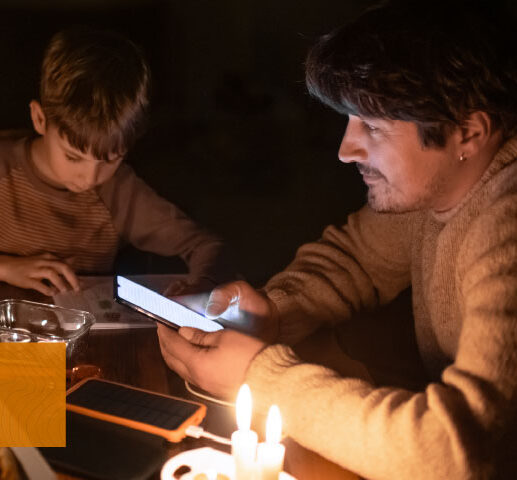
Thankfully, power outages lasting more than a few hours are uncommon in our area, and our crews work 24/7 in all weather conditions to restore power.
But severe weather and other factors beyond anyone’s control can occasionally lead to longer outages. Having a few basics on hand (like flashlights, water, and a battery-powered phone charger) can make those rare moments a lot less stressful.
For peace of mind, we’ve put together a simple one-page outage preparedness checklist that you can review or print at any time. It’s a fun way to get the kids involved, too!