

 English
Our Wildfire Mitigation Plan outlines our comprehensive, proactive approach to minimize the potential for utility-caused wildfires and to respond effectively during high-risk conditions.
Every line, every day. That’s our commitment to reducing wildfire risk and protecting the communities we serve.
And while we may not physically inspect every line every day, our layered approach to wildfire safety helps minimize risk, strengthen system resilience, and protect the communities we serve on a daily basis.
Wildfire risk in our service territory is influenced by factors such as drought, vegetation conditions, terrain accessibility, and extreme weather events. To address these challenges, we use a holistic strategy that combines proactive vegetation management, ongoing inspection and maintenance, high-tech system safety settings, and community engagement.
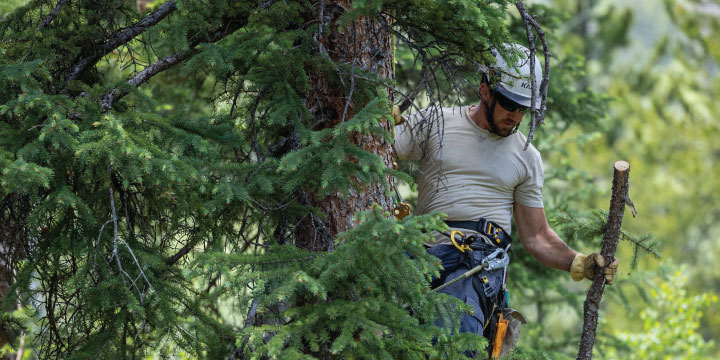
Routine Trimming & Clearances
We maintain required right-of-way clearances between vegetation and power lines using industry standards and safety guidelines.
“Right Tree, Right Place” Strategy
This approach promotes low-growing vegetation directly under lines and taller, stable vegetation on the edges, improving long-term reliability and reducing risk.
Scheduled Maintenance Cycles
Advanced Monitoring Tools
Controlling Incompatible Vegetation
We work to remove or manage species that are more likely to cause outages or increase wildfire risk.
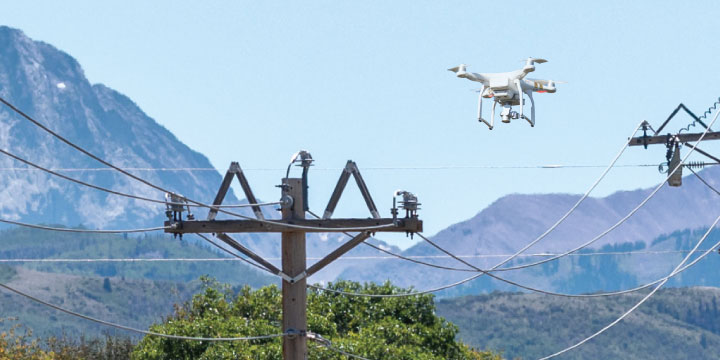
We conduct comprehensive inspections of our electrical system to identify and correct potential ignition risks before they become hazards.
Overhead Line Inspections
Substation Inspections
Pole Management Program
Infrared (Thermal) Inspections
Aerial & Drone Inspections
GIS Mapping & Tracking
System hardening, maintenance, and engineering work
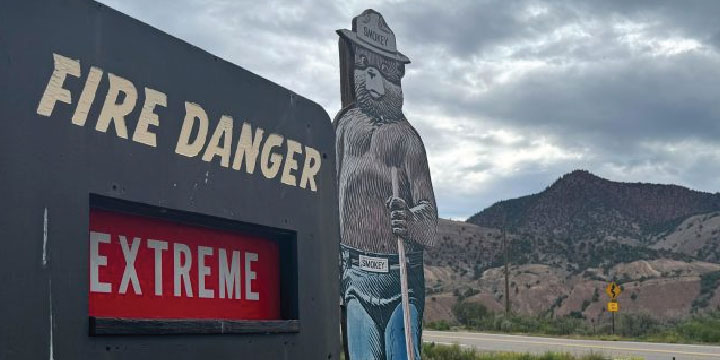
During high wind events that pose high wildfire risk, we modify how our electric system operates to reduce ignition potential.
Fire Safety Settings
Also known as Enhanced Powerline Safety Settings (EPSS), our Fire Safety Settings are temporary system adjustments designed to reduce wildfire risk during high wind in case a tree, branch, or other debris comes into contact with an energized power line.
What these settings do:
While this can increase short-duration outages, it significantly reduces the risk of sparks or equipment-related ignitions.
Public Safety Power Shutoff (PSPS)
During high-wind weather events that carry the most extreme risk, we may proactively turn off power to prevent wildfire ignition.
Key considerations:
PSPS events are just one part of our broader wildfire readiness framework that prioritizes public safety.
A PSPS is always and only a last-resort safety precaution!

Reduce Risk Around Your Property
Be Prepared for Outages
Stay Informed
Help Identify Risks by Reporting:
Our wildfire mitigation efforts are strongest when combined with informed and prepared members. Together, we can reduce wildfire risk and protect our communities.