

 English
At Holy Cross Energy (HCE), safety guides every decision we make, especially as wildfire risk continues to increase across our region. Protecting our members, employees, and the communities we serve is our highest priority.
During periods of elevated fire danger, we may adjust how certain parts of our electric system operate by enabling Enhanced Powerline Safety Settings, sometimes called Fire Safety Settings. These settings are an important tool to help reduce wildfire risk and protect our service territory.
Fire Safety Settings make the electric system more sensitive to potentially hazardous conditions, such as high winds or contact between power lines and vegetation or debris.
When fire weather conditions become significantly elevated (for example, during Red Flag Warnings in any part of our service territory), we may enable these settings to reduce the chance of ignition.
If a fault occurs, power is interrupted more quickly than under normal operations, minimizing the risk of sparks or arcing that could start a wildfire.
What is a fault? A fault occurs when electricity flows in an abnormal or unintended way. This can happen for many common reasons, including:
If not addressed quickly, certain faults can create electrical arcing or sparks, which can pose a wildfire risk during dry and windy conditions.
Operating an electric system in wildfire‑prone terrain requires a careful balance between reliability and safety. Fire Safety Settings help by:
These precautions may result in more service interruptions, but they significantly reduce wildfire ignition risk and help protect people, homes, and natural resources.
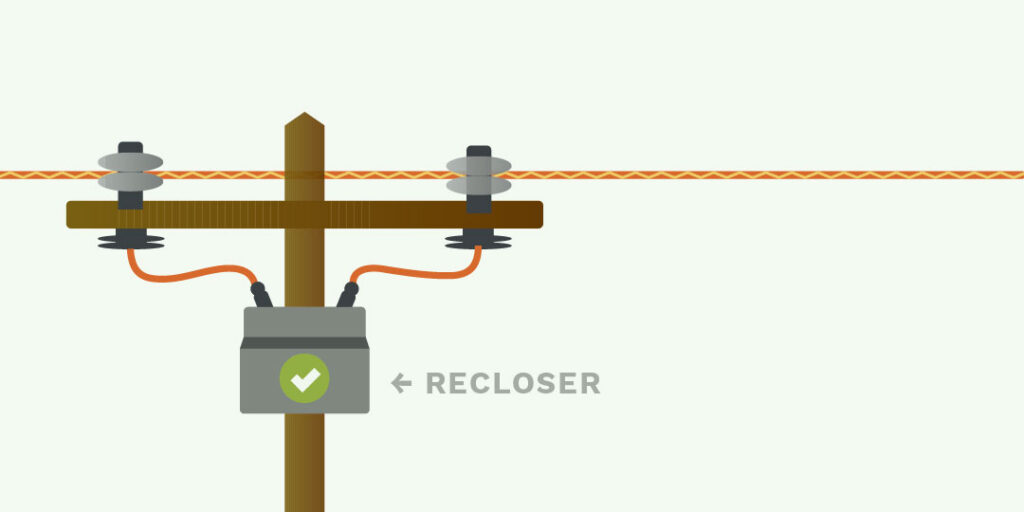
A recloser is an automatic, high-voltage electric switch that acts like a smart circuit breaker for overhead power lines to improve grid reliability. It detects temporary faults (for example, branches touching lines), opens to cut power, and automatically recloses to restore service, only locking out if the fault persists.
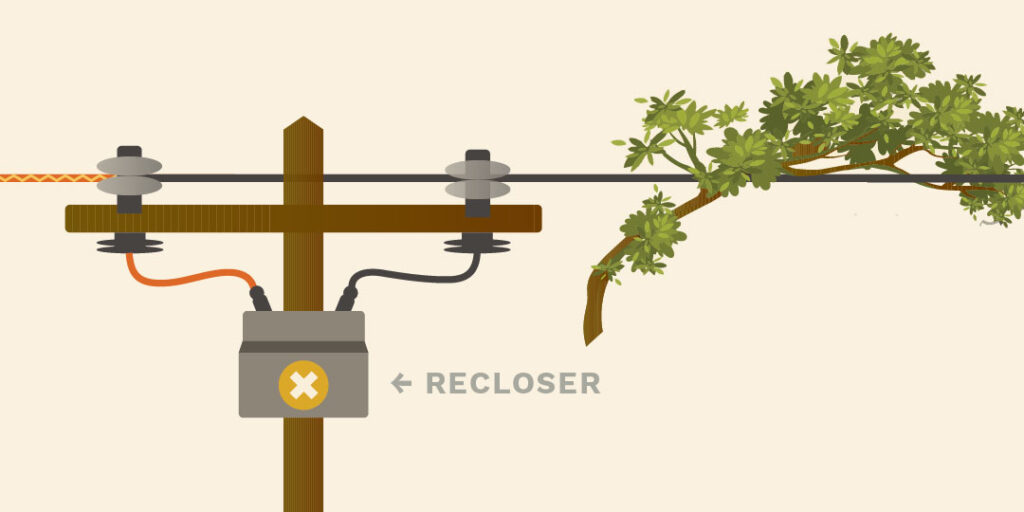
Under Fire Safety Settings, If a fault occurs, power is interrupted more quickly than under normal operations, minimizing the risk of sparks or arcing that could start a wildfire. Depending on the severity of the fire risk, Fire Safety Settings allow just one or zero attempts at restoring service.
Because Fire Safety Settings are more sensitive than standard system settings, members may notice changes in how the system behaves during high‑risk fire weather:
Momentary Power Blinks
Brief interruptions may occur when the system quickly clears minor faults. Lights may blink but remain on.
Power Outages That Last Longer
In times of more extreme risk, the system is designed not to automatically restore power after a fault. This ensures the line is safe before electricity is re‑energized.
When these outages occur, restoring power may take more time than usual.
When Fire Safety Settings trigger an outage, our operations crews must complete a thorough visual inspection of the entire affected section of line and equipment before restoring power. This process confirms there are:
This careful approach helps prevent re‑energizing a line that could cause ignition under dry, windy conditions.
Fire Safety Settings are not taken lightly, and they are only one part of HCE’s comprehensive wildfire mitigation strategy.
Throughout the year, we invest heavily in proactive prevention, including:
These efforts help reduce both outage frequency and wildfire risk and help us identify and correct system issues before they become failures.
Not all outages during fire season are related to Fire Safety Settings. Power interruptions can also result from:
If your power goes out, always first check your main breaker. After that, our online outage map displays the most up-to-date available information about most, but not all, confirmed outages.
Our crews always work to restore power as quickly and safely as possible.
Safety will always guide our operations. We understand that service interruptions can be inconvenient, and we sincerely appreciate your patience and understanding during high fire‑risk conditions. These measures are taken to protect what matters most: our members, our communities, and the places we all call home.